
Identifying and Supporting Students with Speech Delays: Empowering Communication at Dynamics International School

Effective communication is a fundamental skill that plays a vital role in a child’s overall development and academic success. However, some students may experience speech delays, which can impact their ability to express themselves verbally. At Dynamics International School, we believe in identifying and addressing these delays early on to provide the necessary support for our students. In this blog post, we will explore the importance of identifying speech delays, discuss common causes and signs, and provide practical strategies to help students overcome these challenges. Understanding Speech Delays: Refer to a delay or difficulty in the development of speech and language skills in children. These delays can occur due to various factors, including language disorders, hearing impairments, oral-motor difficulties, developmental disorders, and environmental factors. It is crucial to understand the difference between typical speech development and potential delays to ensure timely intervention and support. Identifying Speech Delays: Early indicators: Recognizing the early signs of speech delays is essential for timely intervention. These signs may include limited vocabulary, difficulty pronouncing certain sounds, inconsistent speech patterns, trouble following directions, and difficulty engaging in conversations. Developmental milestones: Familiarizing one with the typical speech and language milestones at different ages can help identify potential delays. Comparing a child’s progress to these milestones can provide valuable insights into their speech development. Assessment and professional guidance: If speech delays are suspected, it is crucial to seek professional assessment from speech-language pathologists or other qualified specialists. These professionals can conduct comprehensive evaluations to determine the nature and extent of the delays and recommend appropriate interventions. Supporting Students with Speech Delays: Individualized education plans: Developing individualized education plans (IEPs) is crucial for students with speech delays. These plans outline specific goals, accommodations, and strategies tailored to each student’s needs. Collaboration among teachers, speech-language pathologists, parents, and other specialists is essential in creating effective IEPs. Speech therapy interventions: Speech-language pathologists play a vital role in supporting students with speech delays. They provide targeted interventions and therapies to improve speech production, articulation, language comprehension, and expressive language skills. Integrating speech therapy sessions into the school day can ensure consistent support and progress monitoring. Assistive technology and resources: Utilizing assistive technology tools and resources can enhance communication for students with speech delays. Augmentative and alternative communication (AAC) systems, visual aids, and speech-to-text software are examples of helpful resources that facilitate communication and participation in classroom activities. Classroom accommodations: Teachers can make simple accommodations to support students with speech delays. These may include providing additional wait time for responses, using visual cues and gestures, and breaking down complex instructions into smaller, manageable steps, and promoting a supportive and inclusive classroom environment. Collaboration and family involvement: Open communication and collaboration with parents and caregivers are essential in supporting students with speech delays. Regular updates, home-based activities, and strategies recommended by speech-language pathologists can be incorporated to reinforce progress and generalize skills outside the school setting. Promoting a Supportive Environment: At Dynamics International School, we prioritize creating a supportive and inclusive environment for students with speech delays. We promote empathy, understanding, and respect for individual differences among students, teachers, and the wider school community. By fostering a safe space where students feel comfortable expressing themselves, we empower their communication skills and overall growth. Conclusion: Identifying and supporting students with speech delays is a collaborative effort that requires early recognition, professional assessment, and targeted interventions. At Dynamics International School, we are committed to empowering our students by providing the necessary support and resources to overcome speech delays. By implementing individualized education plans, speech therapy interventions, assistive technology, and fostering a supportive environment, we enable our students to develop their communication skills and thrive academically and socially. Together with the collaboration of teachers, speech-language pathologists, parents, and the wider school community, we ensure that every student receives the support they need to reach their full potential in their communication journey.
Enhancing Learning and Development: The Integration of Occupational Therapy at Dynamics International School
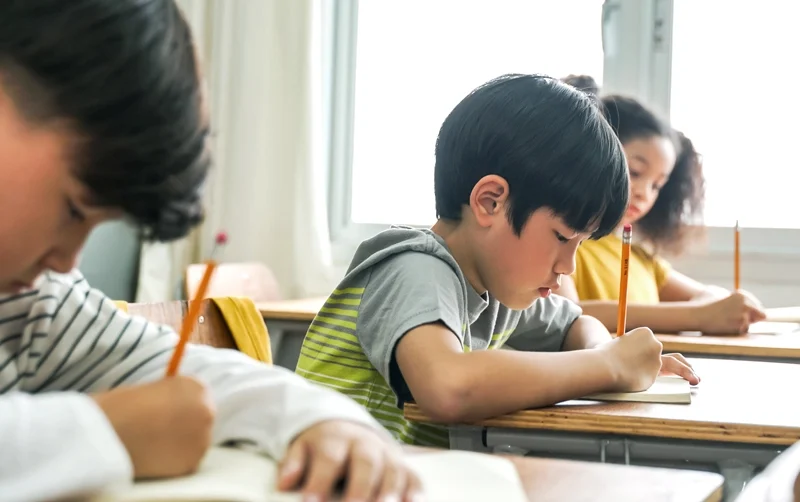
At Dynamics International School, we are committed to providing a comprehensive and holistic education that supports the diverse needs of our students. To achieve this, we have embraced the integration of occupational therapy as an integral part of our educational approach. In this blog post, we will explore the reasons behind incorporating occupational therapy, discuss the benefits it brings to our students, and highlight how it enhances their learning and development. Understanding Occupational Therapy : Occupational therapy is a specialized form of therapy that focuses on helping individuals develop or regain the skills necessary for daily life activities, or “occupations.” In the context of education, occupational therapy aims to support students in achieving success in their academic endeavors, social interactions, and overall well-being. Occupational therapists assess, plan, and implement interventions that promote independence, self-regulation, sensory integration, motor skills development, and functional abilities. The Role of Occupational Therapy in Education: Enhancing academic performance: Occupational therapy can improve students’ academic performance by addressing underlying challenges that may hinder their ability to concentrate, organize information, follow instructions, and complete tasks effectively. Through targeted interventions, occupational therapists help students develop essential skills such as attention, executive functioning, and time management. Developing fine motor skills: Fine motor skills are crucial for tasks such as handwriting, manipulating small objects, and using tools. Occupational therapists work with students to improve their hand-eye coordination, dexterity, grip strength, and pencil control, enabling them to engage in academic activities more independently and efficiently. Sensory integration and regulation: Many students face challenges related to sensory processing, which can affect their ability to focus, attend to tasks, and self-regulate emotions and behaviors. Occupational therapy addresses sensory issues by providing strategies to manage sensory input, promoting self-regulation, and creating sensory-friendly environments to optimize learning experiences. Promoting social-emotional development: Occupational therapy fosters social-emotional development by targeting skills such as self-awareness, self-regulation, empathy, and social interaction. Through activities and interventions, occupational therapists help students develop essential social skills, improve self-esteem, and build positive relationships with peers and teachers. Inclusion and accessibility: Occupational therapy ensures that all students have equal opportunities to participate in educational activities. By addressing barriers and providing accommodations, occupational therapists promote inclusive learning environments and empower students with diverse abilities to fully engage in their education. Integration of Occupational Therapy at Dynamics International School: Collaborative approach: At Dynamics International School, occupational therapists collaborate closely with teachers, parents, and other professionals to create an inclusive and individualized learning environment. They actively participate in the development of Individualized Education Plans (IEPs) and work as part of multidisciplinary teams to support students with diverse needs. Assessment and goal-setting: Occupational therapists conduct comprehensive assessments to identify students’ strengths, challenges, and areas for improvement. Based on these assessments, personalized goals are set, and targeted interventions are implemented to address specific needs. Individual and group interventions: Occupational therapists provide individual and group interventions based on students’ needs. These interventions may include sensory integration activities, fine motor skill development exercises, self-regulation strategies, and adaptive equipment recommendations. Environmental modifications: Occupational therapists collaborate with teachers to make necessary modifications to the classroom environment, ensuring it is accessible and supports the needs of all students. This may involve creating visual schedules, implementing sensory-friendly spaces, or providing assistive technology. Parent and caregiver involvement: Occupational therapy extends beyond the school environment. Therapists work closely with parents and caregivers, providing strategies, resources, and support to reinforce skills and promote generalization’ Conclusion: The integration of occupational therapy at Dynamics International School has proven to be instrumental in enhancing the learning and development of our students. By incorporating occupational therapy principles and interventions, we address underlying challenges, promote independence, and foster a positive and inclusive educational environment. Through collaborative efforts with teachers, parents, and other professionals, our occupational therapists ensure that each student receives personalized support and access to opportunities that optimize their academic, social, and emotional growth. The benefits of occupational therapy extend beyond the school walls, empowering our students to navigate daily tasks, build essential skills, and reach their full potential. At Dynamics International School, we remain committed to providing comprehensive and holistic education that enables every student to thrive.